The Mill Karst System
The Origin of the Name In local toponymy, the area was known as Dealul Morii (Mill Hill) and Tăul Morii (Mill Pond), names connected to a watermill that used to serve the community in the past. The…
Fișă Tehnică, Parametri Speologici și Informații de Acces
- Protected Area Status
- Natura 2000 Site ROSCI0042 Codru-Moma
- Water Cave at the Mill
- 1,750 m total length (853 m main active gallery) — Class A Protected Cave
- Merezărie Swallow Hole Cave
- 538 m length, -64 m vertical range
- Dry Cave at the Mill
- 45 m length, +6 m vertical range
Cuprinsul Paginii (5 secțiuni)Deschide ▾
The Origin of the Name
In local toponymy, the area was known as Dealul Morii (Mill Hill) and Tăul Morii (Mill Pond), names connected to a watermill that used to serve the community in the past. The oldest documented mention found so far dates back to a 1746 conscription, which records the existence of a single watermill in Moneasa.
A Story Written in Stone, Shaped by Water
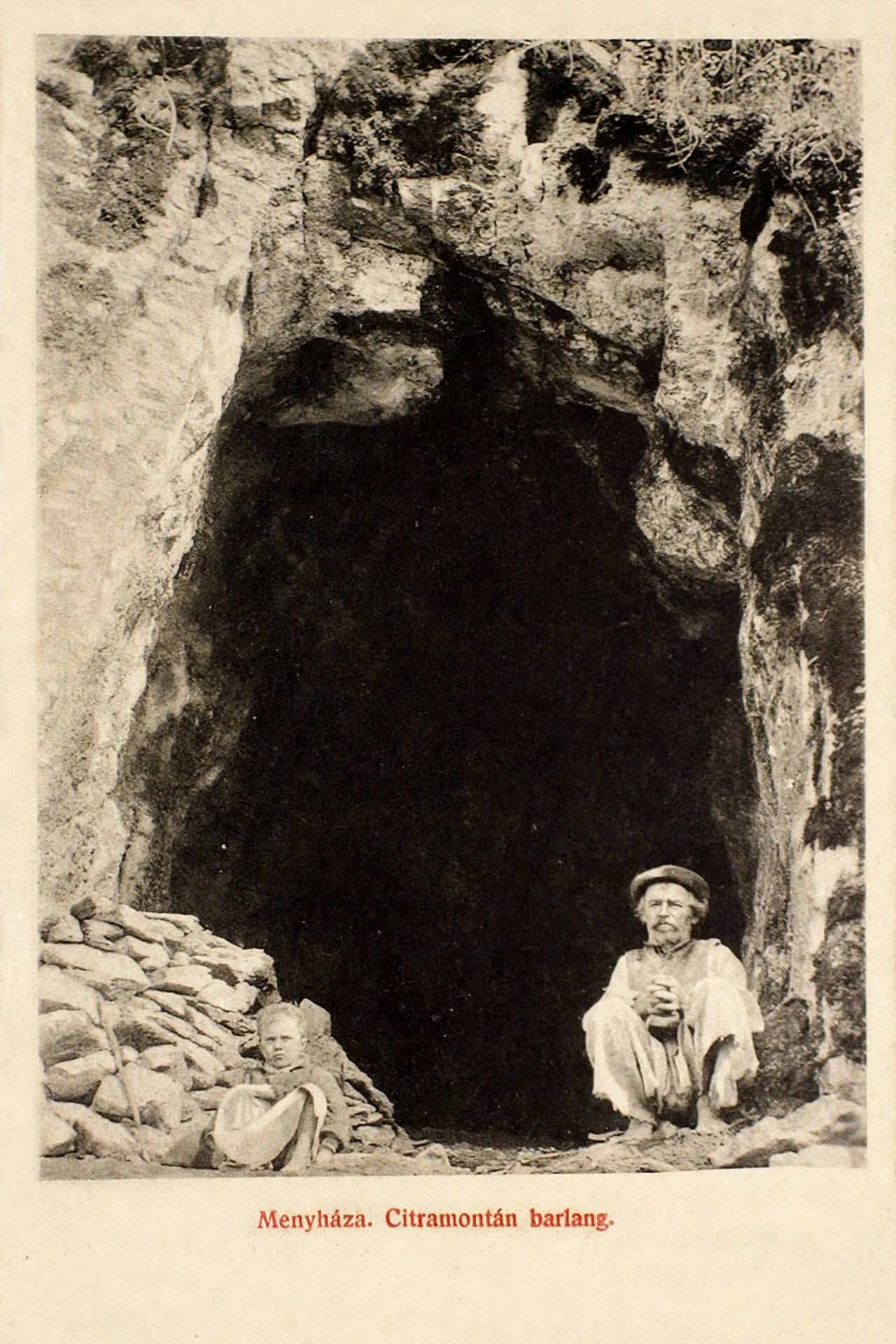
You are standing in front of the Moara Uscată Cave (The Dry Cave of the Mill), part of a local karstic complex located between the villages of Moneasa, Rănușa, and Slatina de Criș. This area is a protected speological reserve, included in the Natura 2000 Site – Codru-Moma Mountains.
The limestones (sedimentary rocks) of this massif were formed over 230 million years ago at the bottom of a tropical sea. Over time, tectonic movements fractured the rocks, and for millions of years, water dissolved and shaped the limestone, creating the caves that form the Moară Karstic System today.
A Partially Explored Underground Labyrinth
The Moară Karstic System consists of several caves, explored over the years by speleologists from local groups in Arad, such as Liliacul, Aragonit, and Speowest.
Peștera cu Apă de la Moară (Valea Morii Cave) – 1,750 m in length/development. This is the resurgence of the system, the point where the underground water resurfaces. The cave is a speleological reserve classified under Protection Class A (caves of exceptional value). It shelters rare aragonite formations, fossil fauna remains (Ursus spelaeus), and provides a habitat for strictly protected bat species.
Ponorul Peștera de la Merezărie (Tăul Bivolilor / The Buffaloes’ Pond) – 538 m in length/development. This is the ponor where the water enters the underground system.
Peștera Uscată de la Moară (Moara Uscată) – 45 m in length/development. This is a fossil cavity (without an active water stream) and most likely represents an ancient resurgence of the system. You are standing right at this location.
The Pioneer of Mountain Tourism
[Czárán Gyula](/czaran-gyula) was one of the key figures who decisively contributed to the development of tourism in the Apuseni Mountains. Settling in Moneasa around 1890, he turned the exploration of mountains and caves into a true passion, dedicating years to researching and promoting the natural beauty of the area.
Fascinated by karstic phenomena, Czárán explored numerous caves in the Apuseni region. He was passionate not only about discovering them but also about preparing them for visitors and introducing them to the public.
His legacy remains the foundation of mountain tourism and speleology in this region.
⚠️ WARNING: Access to the Valea Morii Cave Reservation
The cave features narrow passageways, vertical and technical sections, as well as risks associated with flash floods and getting disoriented underground.
Access is strictly permitted only with official permits and authorizations for exploration, research, documentation, or specialized speleological tourism, in full compliance with safety regulations and the protection of speleological heritage.